 Amsterdam




Speed comes first
WireGuard is lean and quick, which makes it a strong default for personal use.
Stop sharing a VPN with strangers. Run one on your own server, with your own IP address and your own rules about who gets access.
from$5.52/mo
$11.04/mo when billed monthly.
Choose the software, then pick a plan on its page.
The right one depends on your network and your users.
WireGuard is lean and quick, which makes it a strong default for personal use.
OpenVPN has been around for a long time and runs almost anywhere.
Outline hands out a simple access key, with no settings to enter.
AmneziaVPN adds obfuscation aimed at networks that interfere with VPN traffic.
A quick view of where each one fits.
| WireGuard | OpenVPN | Outline | AmneziaVPN | |
|---|---|---|---|---|
| Best for | Speed | Compatibility | Sharing with others | Restricted networks |
| Based on | WireGuard protocol | OpenVPN protocol | Shadowsocks | Obfuscated protocols |
| Connecting a user | Config file or QR code | Config file | One access key | App with a connection key |
| Managed from | Web panel | Command line | Desktop manager app | Desktop or mobile app |
Practical hosting guides and server tips, newest first.
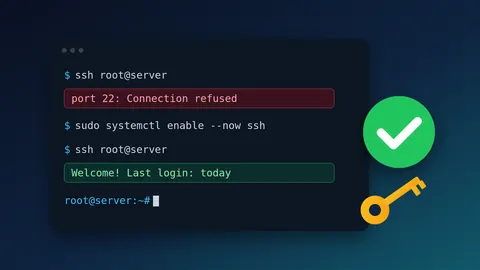
Can't SSH into your server? Whether you get "Connection refused" on port 22, a timeout or "Permission denied (publickey)", here's what each error means and how to fix it in a few minutes, even when you're locked out.
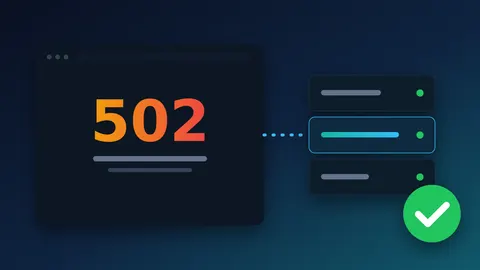
Your site shows "502 Bad Gateway" and nothing else. Here's how to read the Nginx error log, find out why the app behind it stopped answering, and fix the most common causes on WordPress, PHP-FPM, Node.js and Docker.

Your server suddenly can't save files, install updates or keep its database running. Here's how to find what filled the disk, free space safely in a few minutes, and stop it from happening again.
Short answers to common questions.
It depends on what you value. A VPN on your own VPS gives you a server of your own, your own keys and full control over who can connect, at one flat monthly price however many people you add. A commercial VPN offers many countries in one app and needs no maintenance. If you want one trusted exit that you manage yourself, a VPN VPS is the better fit.
Pick WireGuard if speed comes first, OpenVPN if you need it on older devices or routers, Outline if your users are not technical, and AmneziaVPN if your network blocks VPNs. All four run on a VPN VPS with full root access, and each has its own page with plans and setup steps.
For most options, yes. WireGuard comes with the WireGuard UI panel, OpenVPN with a user script and a first client profile, and Outline with its server ready for Outline Manager. AmneziaVPN is installed from its own app, which sets up the server for you over SSH in a few minutes.
WireGuard is generally the fastest of these options because of its small, modern design and because it runs inside the Linux kernel. It also keeps connections stable as phones switch between Wi-Fi and mobile data. OpenVPN is slower but runs almost anywhere.
That depends on the plan and how much traffic they use. A small plan with 1 vCPU and 1 GB RAM suits a family or small team, and larger plans suit more simultaneous users. Most locations include 3 TB of traffic a month, shared by everyone on the server.
No. A personal VPN hides your traffic from your local network and the Wi-Fi you are on, and websites see your server instead of your home connection. But the server is linked to your account, so a VPN on your own VPS gives you privacy, not anonymity. Use it for your own lawful traffic and within our acceptable use policy.
Choose your software, and it arrives ready to set up.